
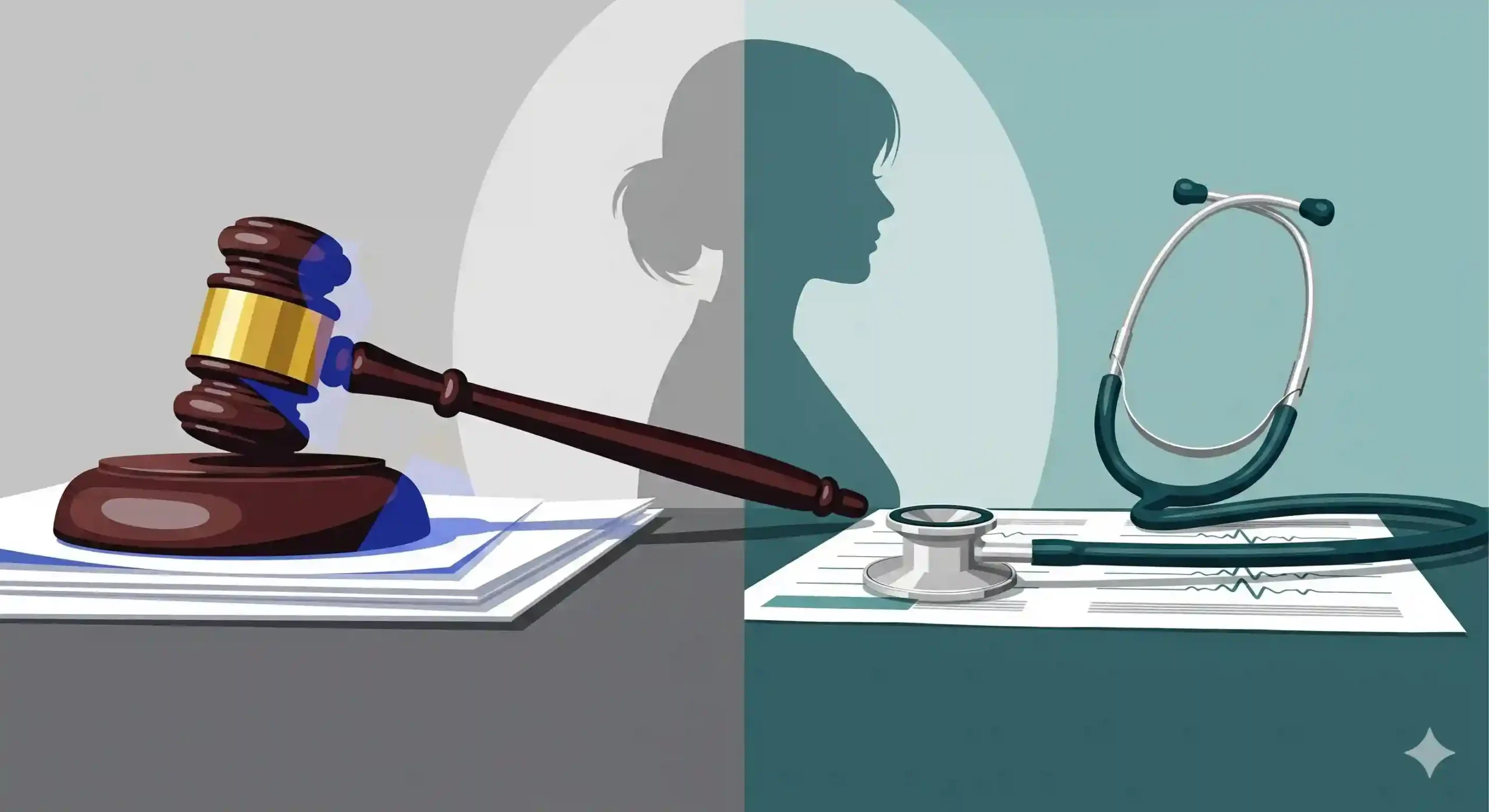
Introduction – Tragic California Abortion Death 1996
In 1996, a 27-year-old woman in California tragically lost her life during a late-term abortion procedure that went wrong. The autopsy revealed that the doctor had perforated her uterus, leading to fatal internal bleeding. The case not only shocked the medical community but also sparked intense debate on the legal, ethical, and medical aspects of abortion.
This incident continues to be cited in discussions around abortion law, women’s reproductive rights, and medical negligence. It highlights the fine balance between a woman’s right to choose and the duty of medical professionals to uphold the highest standards of care. The doctor involved ultimately pleaded guilty to involuntary manslaughter, making the case a significant reference point in both criminal liability for doctors and the broader abortion law debate.
Abortion Laws in the U.S. During the 1990s
Legal Backdrop Under Roe v. Wade
The legal framework of abortion in the United States during the 1990s was largely shaped by the landmark Supreme Court ruling in Roe v. Wade (1973). The judgment recognized a woman’s constitutional right to choose abortion, grounded in the right to privacy under the 14th Amendment. However, Roe also allowed states to regulate abortion based on the trimester framework—permitting increasing restrictions as the pregnancy advanced, particularly after viability.
By the 1990s, several Supreme Court cases, including Planned Parenthood v. Casey (1992), had modified this framework by introducing the “undue burden” standard. This meant states could impose restrictions on abortion, provided they did not place a substantial obstacle in the path of a woman seeking the procedure.
California Abortion Regulations in the 1990s
In the 1990s, California maintained some of the most liberal abortion laws compared to many other U.S. states. Abortions were legal up to the point of fetal viability, and post-viability abortions were permitted if the woman’s life or health was at risk. Licensed physicians were the only authorised professionals allowed to perform abortions, and the state emphasised informed consent requirements.
Despite these protections, controversies arose in cases involving late-term abortions, especially when complications occurred. Such incidents brought the spotlight onto medical negligence, malpractice liability, and patient safety in abortion clinics.
Debate Around Late-Term Abortion Risks
The tragic 1996 California case occurred against the backdrop of a heated national debate on late-term abortions. Opponents argued that the procedure carried high medical risks and ethical concerns, while supporters maintained that access to late-term abortion was essential in cases involving fetal abnormalities or risks to the mother’s health.
Medical experts warned that complications, including uterine perforation, excessive bleeding, and infections, were more likely in late-term procedures, underscoring the need for strict medical standards. The 1996 incident added fuel to the debate, raising questions about whether existing regulations were sufficient to safeguard women’s health.
The Incident – Death After Late-Term Abortion in California
In 1996, a 27-year-old woman in California underwent a late-term abortion that tragically ended in her death. The case soon became a focal point in discussions on abortion safety, medical negligence, and physician accountability.
Patient Background
The patient was a healthy 27-year-old seeking a late-term abortion procedure. At the time, California permitted abortions up to the point of viability, with exceptions for health risks. However, like many such cases, the procedure required strict adherence to medical protocols due to the higher risks involved.
Medical Error: Uterine Perforation
During the abortion, the attending physician perforated the woman’s uterus—a severe surgical error that went unnoticed or inadequately managed. Uterine perforation is one of the most dangerous complications of abortion, particularly in later stages of pregnancy, as it can cause rapid internal bleeding and damage to surrounding organs if not immediately treated.
Cause of Death: Internal Bleeding Confirmed by Autopsy
Following the procedure, the patient’s condition deteriorated rapidly. Despite medical intervention, she died from massive internal bleeding. An autopsy confirmed that the fatal haemorrhage was caused by the uterine perforation sustained during the abortion. The findings left no doubt about the direct link between the doctor’s mistake and the patient’s death.
This incident not only underscored the medical risks associated with late-term abortions but also raised pressing legal questions about medical negligence and criminal liability for healthcare providers.
Legal Proceedings – Doctor Pleads Guilty to Involuntary Manslaughter
The death of the 27-year-old woman during a late-term abortion procedure triggered immediate criminal proceedings against the physician involved. The case drew national attention not only because it was a rare instance of a doctor being held criminally accountable for abortion-related malpractice, but also because it highlighted the blurred line between civil negligence and criminal liability in medical practice.
Criminal Charges Filed
Following the autopsy report that confirmed the patient died of massive internal bleeding due to a perforated uterus, prosecutors filed criminal charges of involuntary manslaughter against the physician. Unlike civil malpractice, which typically results in financial compensation, involuntary manslaughter is a criminal offence that can lead to imprisonment and loss of a professional license.
The prosecution argued that the doctor had acted with gross negligence—a standard far beyond ordinary mistakes. His failure to recognise or respond appropriately to the uterine perforation was presented as reckless disregard for the patient’s life and safety. This positioned the case at the intersection of criminal law and medical ethics, making it particularly significant in legal circles.
Doctor’s Guilty Plea
Faced with overwhelming medical evidence and testimony from experts, the physician chose to plead guilty to involuntary manslaughter. The plea deal spared him a protracted trial but required him to acknowledge his role in causing the patient’s death.
The guilty plea had lasting professional consequences. The doctor faced disciplinary action, including suspension of his medical license, and his conviction became a permanent stain on his record. This rare outcome signalled to other practitioners that abortion-related negligence could carry criminal penalties in addition to civil lawsuits.
Significance of Conviction in Abortion Malpractice Cases
The conviction marked an important precedent in abortion malpractice litigation. Traditionally, cases of abortion-related deaths were handled through civil suits, where families sought damages. Here, however, the criminal court’s involvement elevated the incident into a matter of public accountability and deterrence.
For pro-choice advocates, the conviction underscored the urgent need for better training, stricter safety protocols, and stronger oversight of abortion clinics to prevent tragedies. For pro-life groups, the case became a rallying point to highlight the dangers of late-term abortions and to push for tighter legal restrictions.
Ultimately, the case demonstrated that when abortion procedures are performed negligently, the law can extend beyond malpractice suits into the realm of criminal punishment, reshaping how future abortion malpractice cases were approached.
Abortion Malpractice and Medical Negligence Explained
What Constitutes Abortion Malpractice
Abortion malpractice occurs when a medical professional fails to meet the accepted standard of care during the procedure, resulting in harm or death to the patient. This may involve improper surgical techniques, failure to monitor complications, or inadequate aftercare. In legal terms, malpractice requires proof of duty, breach, causation, and damages. In the California case, all four elements were evident.
Risks of Late-Term Abortion Procedures
Late-term abortions are medically complex and inherently riskier than early-stage procedures. Complications may include:
- Uterine perforation, as occurred in this case
- Severe hemorrhage
- Infections due to incomplete evacuation
- Anesthesia-related complications
Because of these heightened risks, physicians are required to exercise exceptional care, follow strict safety protocols, and be prepared for emergency intervention.
Examples of Negligence
Negligence in abortion procedures can manifest in several ways:
- Use of improper or unsterilized surgical tools increases the risk of infection or injury
- Failure to recognise and treat complications promptly, such as uncontrolled bleeding or signs of perforation
- Lack of adequate emergency facilities within the clinic prevents life-saving measures when complications arise
The 1996 California case illustrated how a single negligent act—uterine perforation left untreated—could escalate into a fatal outcome.
Public and Medical Reactions to the 1996 California Abortion Case
Pro-Choice Response
Pro-choice advocates reacted by emphasising the importance of clinic safety, physician training, and patient protection. They argued that the tragedy was not proof against abortion itself but evidence of the need for better regulation, equipment, and oversight in abortion services. Calls for mandatory safety protocols and continuing education for abortion providers became more pronounced after this case.
Pro-Life Response
For pro-life groups, the incident was used as evidence to strengthen their argument against late-term abortions. They argued that the risks, both to the mother and the unborn child, were unacceptably high and that this case demonstrated the extreme dangers inherent in such procedures. The conviction of the doctor was highlighted as proof that abortion could endanger not only fetal life but also maternal life.
Medical Community’s Focus on Patient Safety and Clinic Regulation
Within the medical community, the case became a wake-up call on patient safety. Physicians and medical boards pushed for clearer guidelines on late-term abortion procedures, emergency preparedness, and clinic regulation. Hospitals and professional associations also began revisiting training standards to ensure that doctors performing high-risk procedures could manage complications effectively.
Broader Implications for Abortion Law and Patient Safety
Importance of Regulating Abortion Clinics
The case exposed gaps in oversight of abortion clinics, many of which operated outside hospital systems. Policymakers and advocacy groups began to push for stricter regulation, licensing requirements, and safety inspections to ensure such tragedies would not recur.
Patient Safety Concerns in Abortion Procedures
The incident underscored the principle that patient safety must always come before political or ideological debates. Regardless of one’s stance on abortion, the death highlighted the need for rigorous medical standards, emergency response systems, and accountability in clinics.
Continuing Impact on Abortion Law Debates in the U.S.
The 1996 California abortion death continues to influence abortion law debates in the U.S. Even decades later, it is referenced in arguments over:
- The ethics of late-term abortions
- The need for criminal liability in extreme negligence cases
- Balancing women’s reproductive rights with state interests in protecting life and safety
Conclusion – Lessons from the 1996 California Abortion Death
The 1996 California abortion case stands as a tragic reminder of the consequences of medical negligence in high-risk procedures. It shows that abortion, while a legal right under Roe v. Wade at the time, requires absolute adherence to patient safety, professional standards, and ethical responsibilities.
Key lessons from the case include:
- Medical accountability is non-negotiable – physicians must be held legally responsible for negligence.
- Patient protection comes first – safety protocols and emergency preparedness can save lives.
- The case remains relevant today – as abortion laws and debates continue to evolve, the incident still informs discussions about malpractice, criminal liability, and patient rights.
This case continues to serve as a reference point in both abortion law and medical negligence debates, reminding society of the importance of balancing reproductive freedom with uncompromising standards of medical care.





This app is a game changer. The graphics are amazing and it doesn’t lag at all. Perfect for relaxing after a long day. Download jljl44app
I’ve tried a lot of these sites but this one feels the most authentic. The odds are competitive and the experience is top notch. Cheers to krunbet!